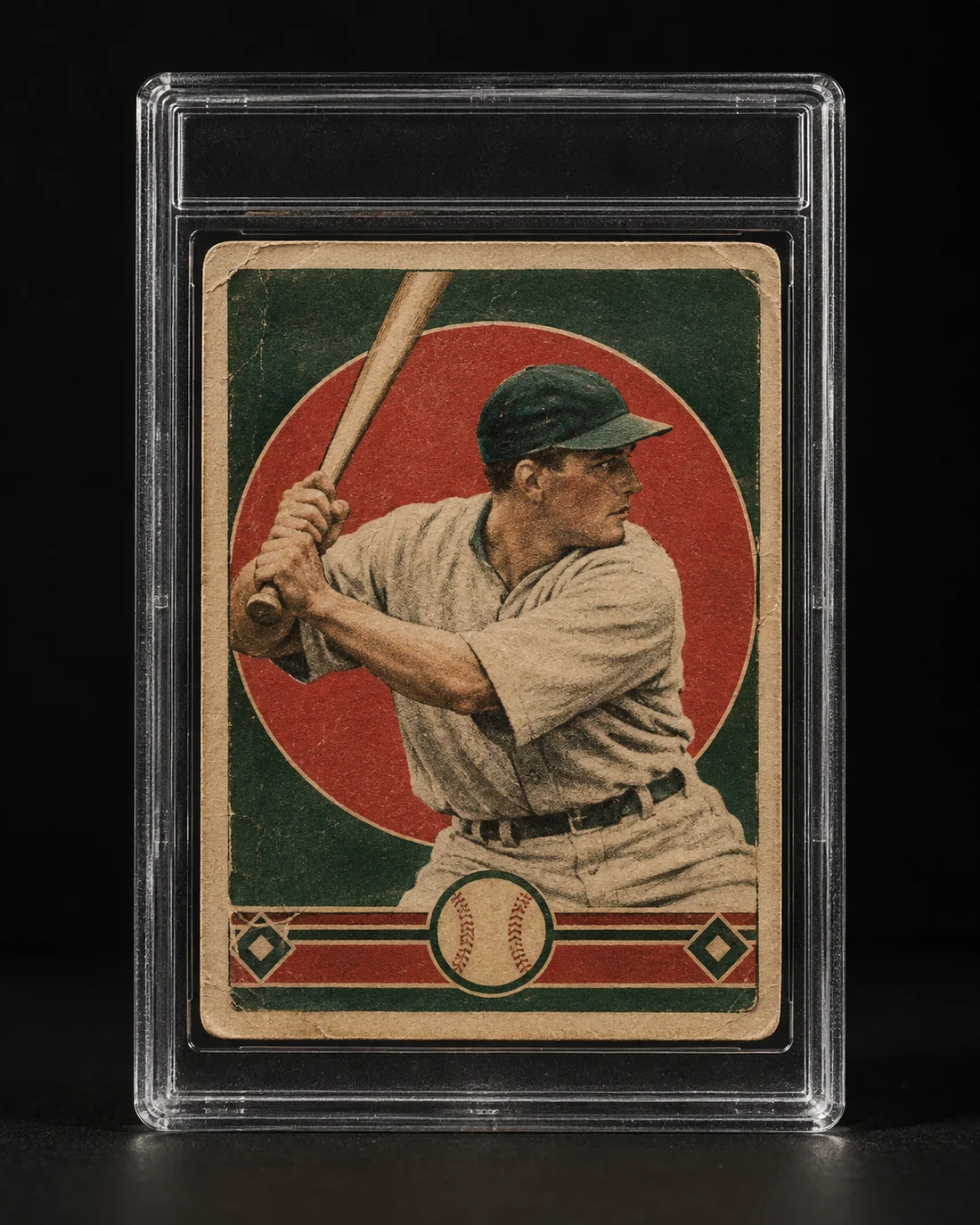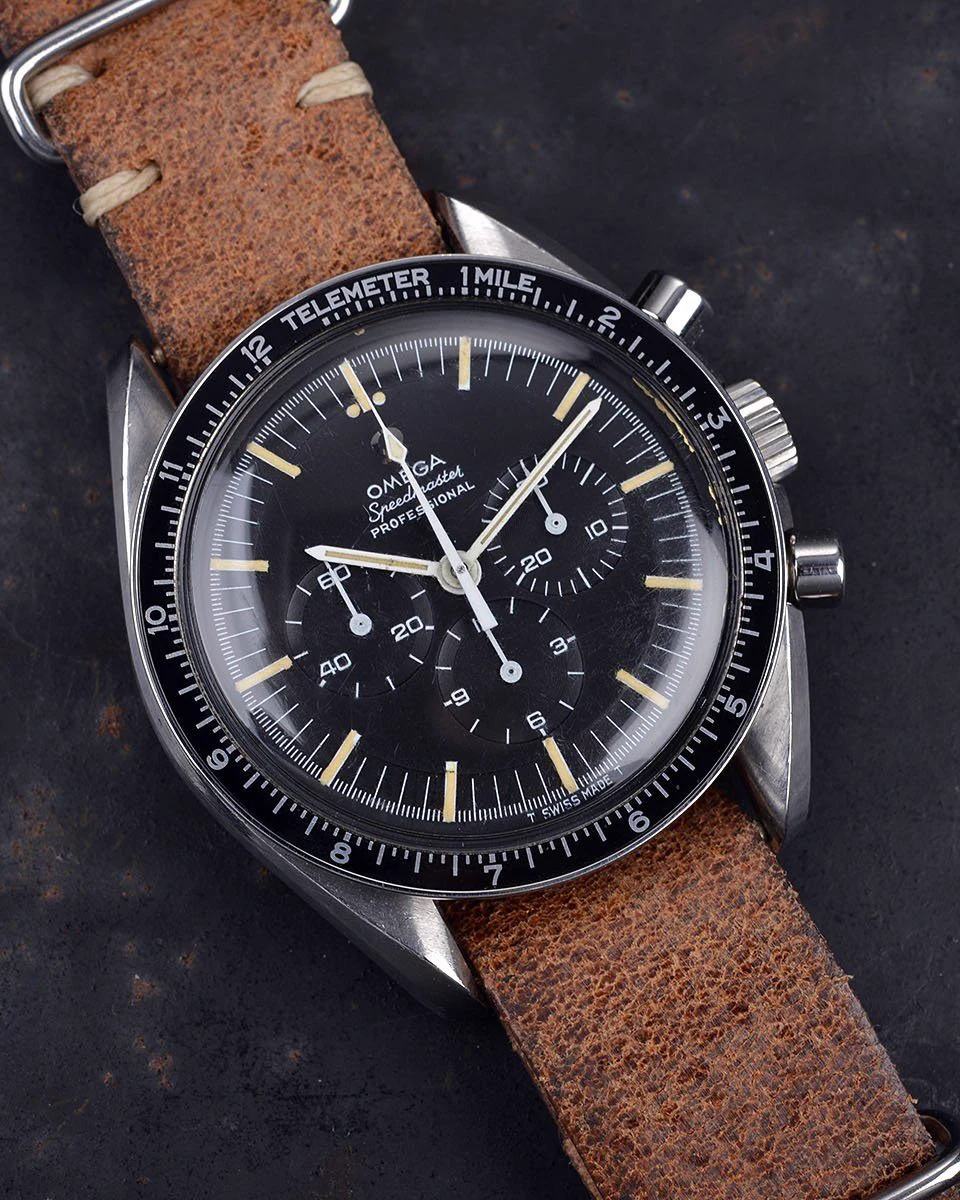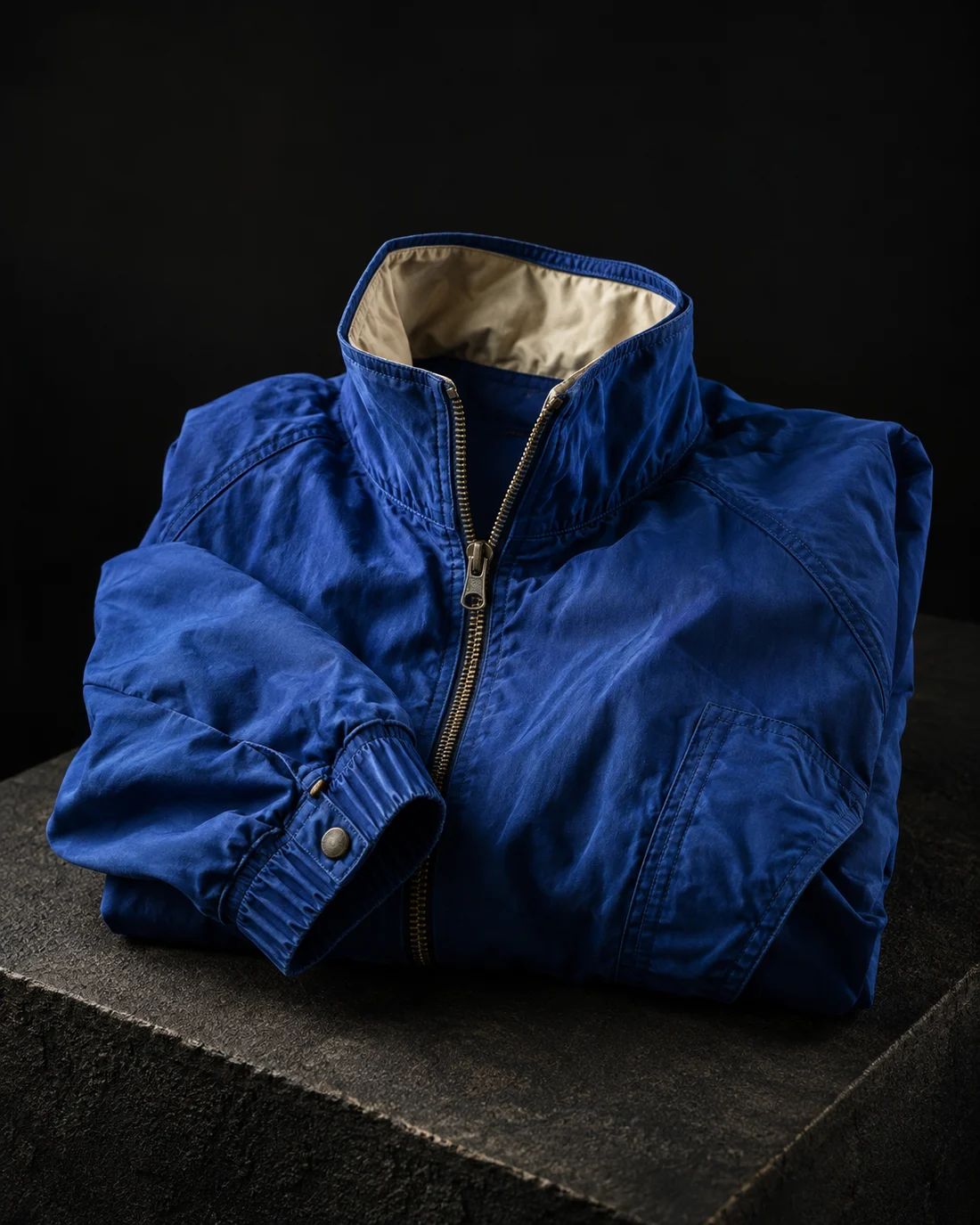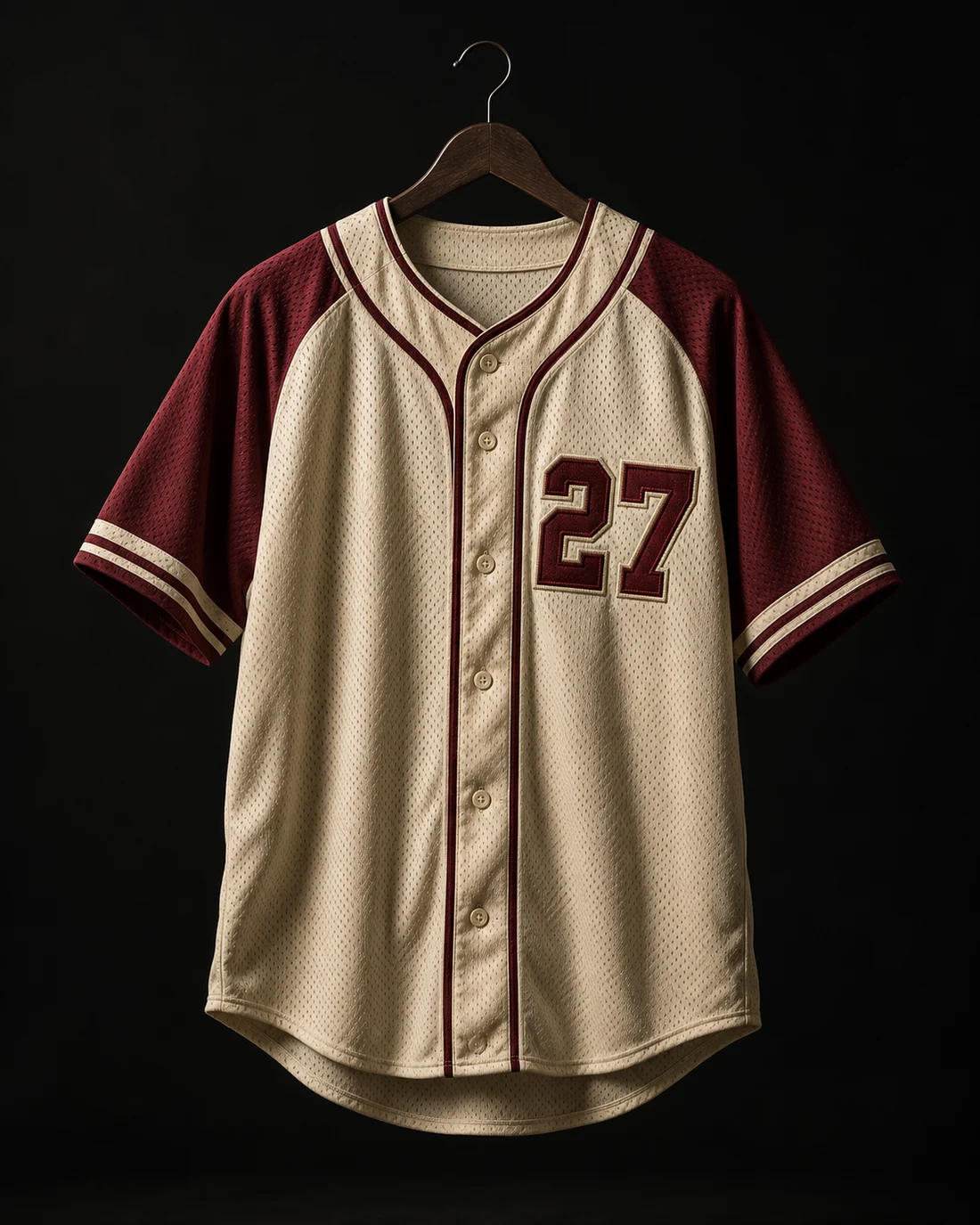
Some clothes remind you of a place. A jersey can remind you of a whole afternoon: the noise, the weather, the people beside you and the moment everyone stood up at once. That is why a piece of sports memorabilia can feel personal before it is even yours.
Decide which story you are collecting
You might be looking for something to wear, something to display, or a piece connected to a player or event. Those are different reasons to buy, and they lead to different questions.
A shirt that brings back a favourite season does not have to be the centrepiece of a museum. A piece offered with a specific history deserves a closer conversation about that history. Be clear with yourself about which details matter most.
Read the description precisely
Look at the wording used for the item. Ask what the seller means by it and what information supports the description. Do not assume that a photograph, signature, label or attractive display tells the whole story.
For an item described as connected to a particular person or occasion, ask for the available documentation and how it relates to that exact object. If the answer leaves a gap that matters to you, keep asking or take time to seek independent advice.
Look beyond the front
Ask to see the reverse, labels, stitching, numbers, patches and any areas of wear. For a jersey you plan to wear, measurements and overall condition are part of the decision. For a display piece, consider which details you want to be able to see clearly.
Save photographs of the actual item and a copy of the description. They help keep your understanding of the purchase connected to the object that arrives.
Let the seller tell the story
A live conversation is a chance to hear why someone kept the piece, how they found it, and what they know about it. It can also reveal which parts of the history remain uncertain. A good question can be as simple as, “What can you tell me about this specific shirt?”
Enjoy the enthusiasm without letting the atmosphere decide for you. Set your own limit and give yourself time to think about any claim that is central to the purchase.
Keep your part of the memory
When a piece joins your collection, record why you chose it. The official details matter, but so does your own connection: the person you watched the game with, the season you followed, the player who made you love the sport.
That is the part of a collection no checklist can supply. The object holds one story. You bring another.