Sometimes the thing that starts a collection is a player. Sometimes it is a team, a season, or the memory of opening a pack with someone who understood the excitement. A card is small enough to fit in your hand. The reason you want it can be much bigger.
Start with a story you actually like
You do not need an encyclopaedic checklist to begin. Choose a corner of the hobby that means something to you: a favourite player, the team you grew up watching, a particular visual style, or a season you remember. A clear point of interest makes browsing more satisfying and gives you a reason to keep learning.
Write that idea down in a sentence. “I want a few cards that tell the story of this team” is a more useful starting point than “I want everything.” It also gives you permission to admire something without buying it.
Look at the individual card
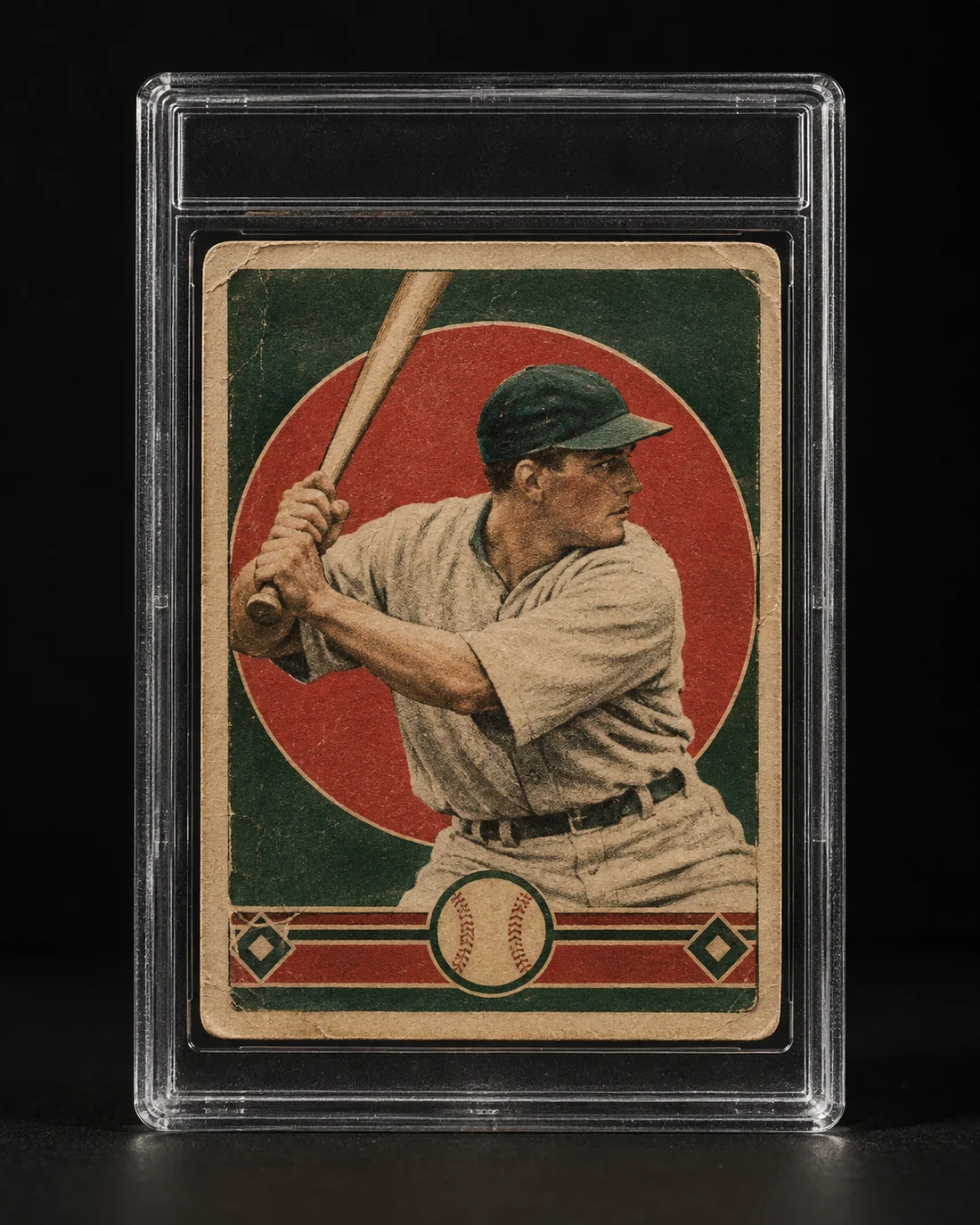
A listing should help you understand the exact object being offered. Look closely at the front and back, the corners, the edges and the surface. Ask for another angle if a reflection hides a detail. Check that the description identifies the card clearly enough for you to distinguish it from similar versions.
If a card is presented in a graded holder, read the label and ask about any details you do not understand. A polished photograph is a good beginning to a conversation, not a replacement for one.
Make the live conversation useful
A live show gives you a chance to ask a specific question at the moment your curiosity appears. “Could you hold the bottom corner closer?” is easier to answer than “Is it good?” Ask to see the back. Ask what the seller likes about the card. Listen for the details that help you decide whether it belongs in your collection.
Keep your own spending limit in mind before the energy of the room takes over. There will be another card, another conversation, another chance to find something you love.
Keep the story with the object
Once a card is yours, save the information that made it interesting: who it depicts, where you found it, what the seller told you and what you paid. Keep a photograph and your purchase record together. A collection becomes easier to enjoy when its details do not depend on memory.
The best first collection is one you want to look at again. Let that be your starting point, and let curiosity take care of the next chapter.