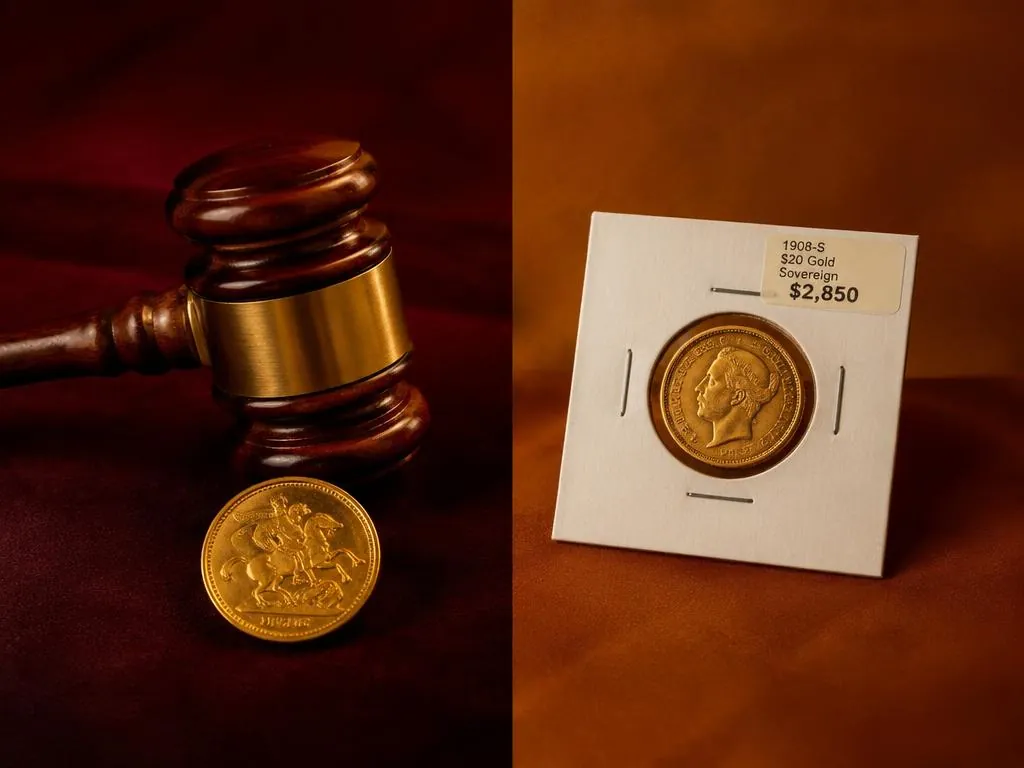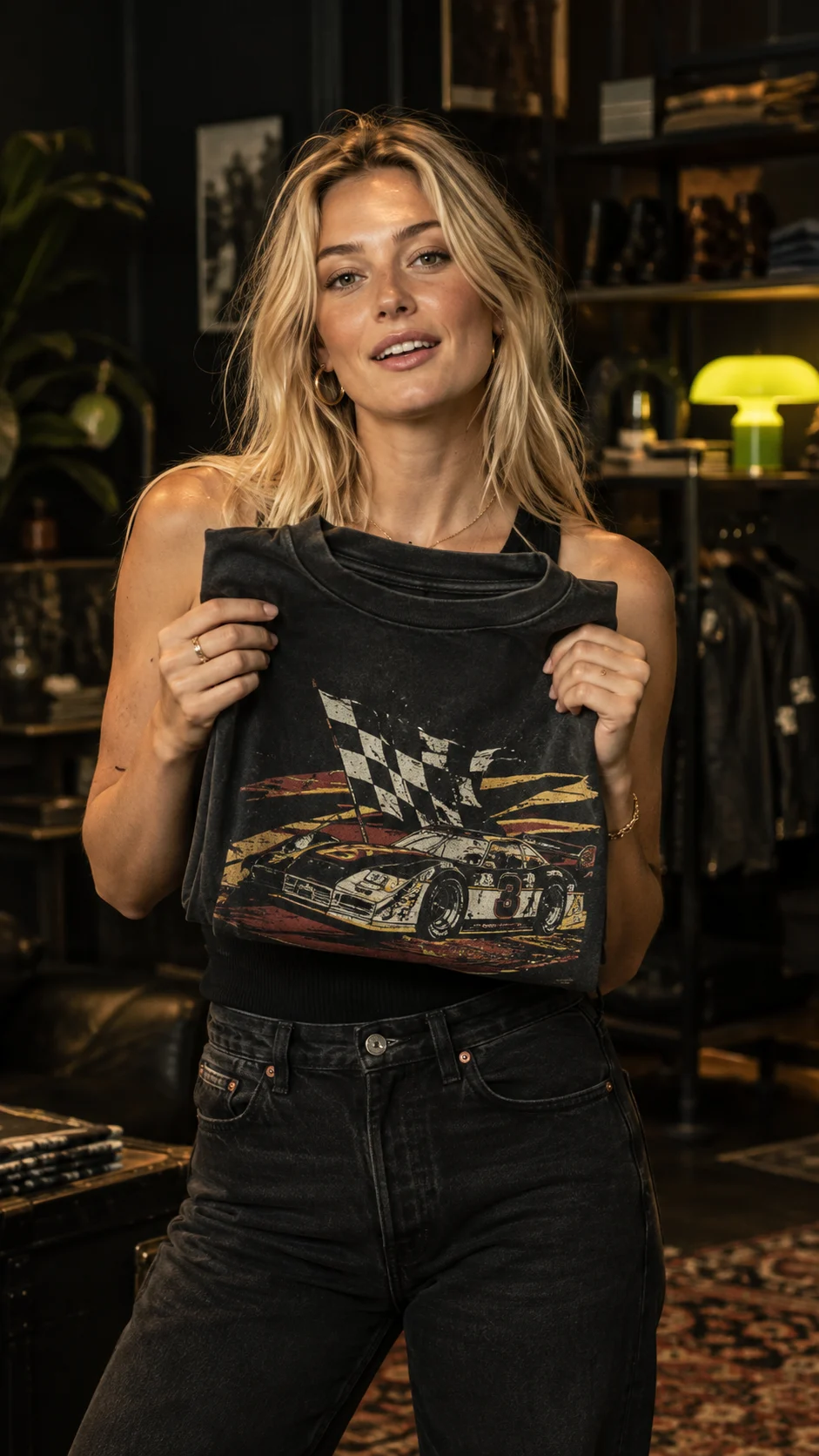
A good live show feels like spending time with someone who knows their subject. You can see what they are showing, hear why it interests them, and ask a question without feeling as though you interrupted a performance. Start there: a clear view, a useful conversation, and a few things worth talking about.
Give the show a point of view
Choose a small, coherent selection for your first session. It might be vintage pieces in a particular colour story, cards connected to a team, or objects that show a detail you love. A theme gives people a reason to stay and makes it easier for you to introduce the next item.
Arrange the pieces in a sensible order. Keep notes with the facts you want to get right, including condition, measurements and any information that belongs in the listing. Preparation gives you room to be natural.
Make the object easy to see
Before you begin, check your camera view, lighting and sound. Hold an item where you plan to show it and see whether the important detail is actually visible. A simple background can help the object stand out.
Make room to show different angles without leaving the frame. Keep useful tools nearby: a measuring tape for clothing, a stand for a card, or whatever lets you demonstrate an item clearly. Avoid relying on the viewer to imagine a detail you could show.
Tell a short, specific story
Introduce each piece with something concrete. What is it? What caught your eye? What should someone notice? Then show the details that support the description.
Say what you know and be clear when you need to check something. Confidence does not require an answer to every question on the spot. Following up accurately is more useful than filling silence with a guess.
Leave room for the audience
Pause to read questions. Repeat a question briefly before answering so the rest of the room can follow. If someone asks for another angle, slow down and give them a proper look.
Acknowledge people without making the session feel like a roll call. You are creating a conversation around the objects, and the best moments may come from a detail someone else notices.
Give the show a clean finish
Recap what you have shown and make any next steps clear. Keep the listing details and your spoken description consistent. After the session, note the questions that came up repeatedly and the parts that felt rushed.
Your first show does not need a flawless performance. It needs care, clarity and enough of your own interest to make someone else curious. The rhythm will become more natural each time you do it.